

(Chinhphu.vn) – Entering 2026, Hanoi’s real estate market is expected to move into a new growth cycle, supported by increasingly well-defined infrastructure, legal frameworks, and policy direction. Rather than witnessing short-term speculative surges, the market is gradually shifting toward a more selective and strongly differentiated landscape — one driven by genuine housing demand, project quality, and the execution capability of developers as the foundation for sustainable growth.
As the macroeconomic environment stabilizes, legal regulations continue to improve, and public investment maintains its role as a key growth engine, the capital’s property market is entering a new phase of development — more cautious, more substantive, and increasingly infrastructure-led. Instead of the rapid “boom-and-bust” cycles seen in previous years, Hanoi’s real estate market in 2026 is expected to grow on a more sustainable footing, closely aligned with urban planning strategies, end-user demand, and the long-term operational strength of developers.
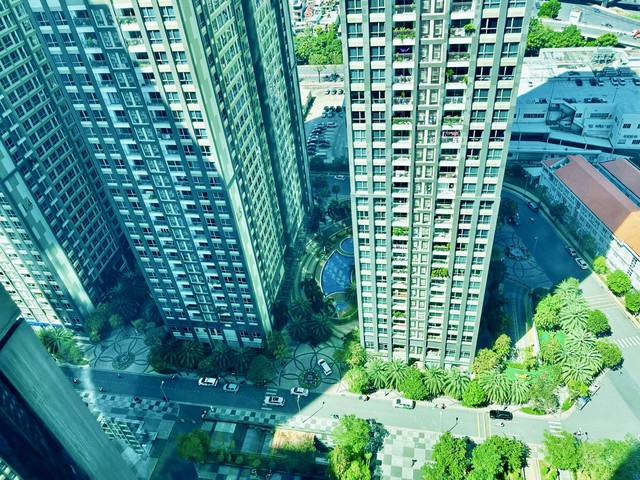
Entering 2026, Hanoi’s real estate market is expected to move into a new growth cycle, backed by increasingly defined infrastructure development, legal frameworks, and policy direction. Photo: VGP/Thuy Chi
Infrastructure – The “Backbone” Expanding a New Urban Growth Landscape
Over the past decade, transport infrastructure has consistently played a pivotal role in shaping Hanoi’s urban expansion. By 2026, that role is becoming even more pronounced as a series of major infrastructure projects are being implemented in parallel, creating long-term momentum for the property market.
Among them, the Ring Road 4 – Capital Region project, with a total investment exceeding VND 85 trillion, is widely regarded as a strategic catalyst for expanding Hanoi’s development corridor toward the North, West, and South. As the project gradually takes shape, areas once considered outside the traditional urban core are expected to benefit from significantly improved connectivity, increasing their appeal for urban developments, residential projects, and commercial services.
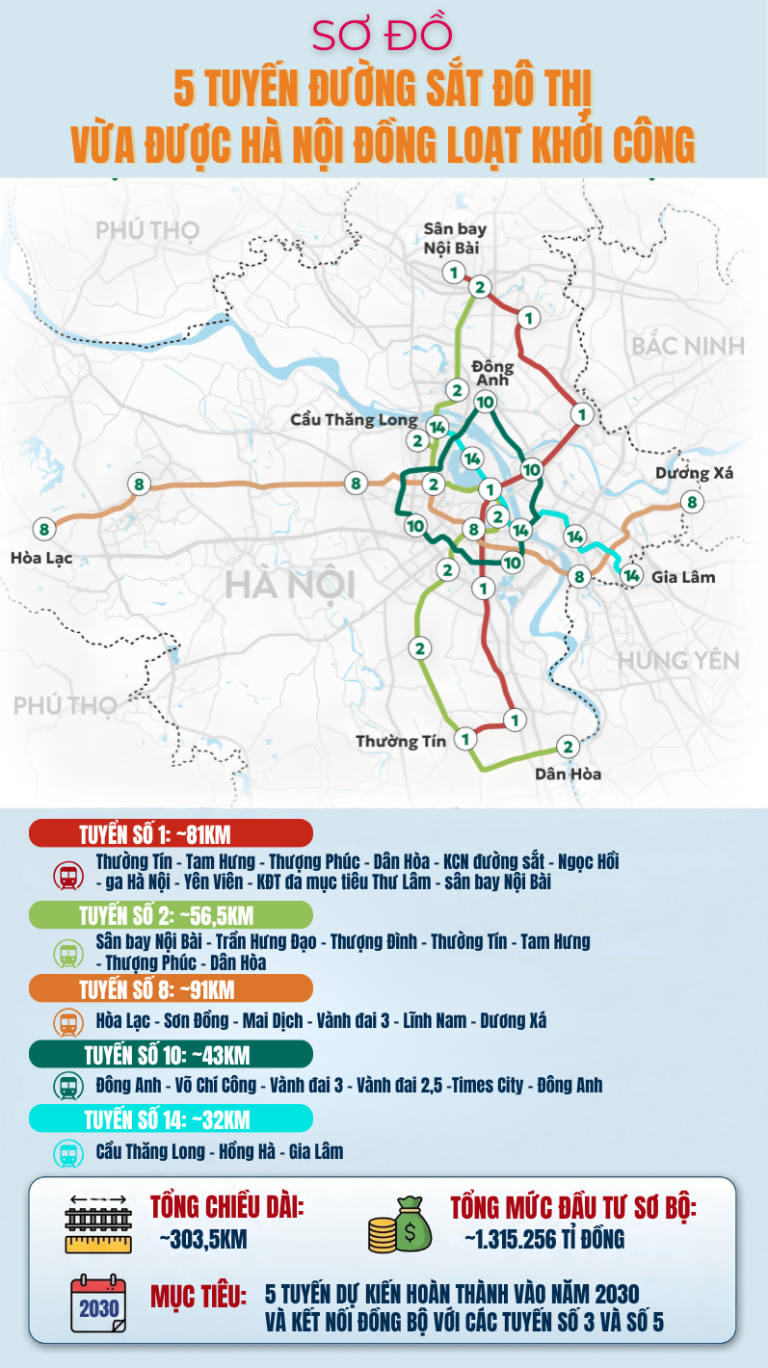
At the same time, Hanoi’s broader infrastructure network — including ring roads, radial transport corridors, Red River bridge systems, and urban railway lines — is steadily moving toward completion, forming a more integrated and multi-layered transportation framework for the capital. Associate Professor Dr. Tran Dinh Thien, former Director of the Vietnam Institute of Economics, noted that transportation infrastructure is no longer merely a supporting factor, but a decisive force in Hanoi’s transition toward a multi-center urban model. Once infrastructure moves ahead, investment capital, population flows, and economic activity naturally follow, laying the groundwork for sustainable long-term real estate growth.
Market performance has already reflected this trend. Areas benefiting directly from infrastructure expansion have recorded noticeable improvements in both property values and market liquidity. West Hanoi, supported by Thang Long Boulevard, Ring Roads 3 and 3.5, and the planned Metro Line 5 (Van Cao – Hoa Lac), is increasingly emerging as a new development hub. Meanwhile, in the eastern corridor, new Red River bridge projects and riverfront urban redevelopment plans continue to unlock significant potential for residential communities and eco-urban developments.
The Market Shifts from Rapid Surges to Selective Growth
While Hanoi’s real estate market previously experienced periods of rapid price escalation across certain segments, the defining trend entering 2026 is expected to be more selective and sustainable growth. Capital flows are no longer chasing short-term speculation, but are increasingly favoring areas with clear urban planning, synchronized infrastructure, and stable end-user demand.
According to Mr. Nguyen Van Dinh, Chairman of the Vietnam Association of Realtors (VARS), Hanoi’s property market is unlikely to witness another phase of overheated growth. Instead, future expansion will be grounded in infrastructure development and genuine housing demand. Projects connected to major transport corridors, backed by transparent legal frameworks and professionally executed planning, are expected to become the market’s primary growth drivers in 2026.
Data from leading research firms also indicates that property prices in infrastructure-oriented zones across Hanoi have continued to record stable appreciation, while market liquidity has gradually improved. This reflects a broader shift in investment behavior toward safer asset classes with lower risk exposure and stronger long-term growth potential.
Rising Supply and a clearly Segmented Market
One of the defining characteristics of Hanoi’s real estate market in 2026 will be the significant increase in housing supply, particularly within the apartment segment. Forecasts indicate that the capital will welcome a substantial wave of new inventory as dozens of projects overcome legal bottlenecks and resume development. While this creates broader opportunities for homebuyers, it also presents growing challenges for developers competing in an increasingly selective market.
Mr. David Jackson, Chief Executive Officer of Avison Young Vietnam, noted that the apartment market is entering a pivotal transition phase. The segment is expected to remain the dominant force throughout 2025–2026; however, growth will become increasingly uneven. Projects with prime locations, strong infrastructure connectivity, transparent legal status, and reputable developers are likely to maintain healthy liquidity, whereas projects located far from urban centers, lacking integrated amenities, or priced beyond the affordability of the majority may struggle to sustain demand.
Sharing a similar perspective, Ms. Do Thi Thu Hang, Senior Director of Research & Consultancy at Savills Hanoi, emphasized that mid-sized and compact residential products — particularly one- and two-bedroom apartments — continue to attract strong interest due to their alignment with genuine end-user demand. Meanwhile, the affordable housing and social housing segments are expected to gradually see improvements in supply as newly introduced policies are implemented more consistently and comprehensively across the market.
Policy and Legal Reforms – The Foundation of a New Growth Cycle
2026 is expected to mark a period when legal reforms related to land, housing, and real estate business begin delivering more tangible results. Resolving long-standing bottlenecks across thousands of delayed projects will not only unlock significant economic resources, but also inject substantial new supply into the market.
New regulatory mechanisms surrounding land valuation, land acquisition, and expanded access to land reserves are expected to shorten project preparation timelines, reduce development costs, and enhance market transparency. These improvements are anticipated to foster a healthier operating environment, minimize prolonged project delays, and strengthen confidence among both investors and homebuyers.
Entering 2026, lending interest rates are forecast to remain relatively stable, despite potential technical adjustments. Mr. Nguyen Quoc Anh, Deputy CEO of Batdongsan.com.vn, noted that common lending rates hovering around 6–7% per annum continue to support market transactions — a stark contrast to the “double shock” period experienced in 2022.
From a broader macroeconomic perspective, Dr. Can Van Luc, Chief Economist at BIDV and Member of the National Financial and Monetary Policy Advisory Council, believes that lower interest rates in the coming years are unlikely to trigger aggressive speculation as seen in previous cycles. Instead, they are expected to encourage a more stable and sustainable market environment. Today’s customers are becoming increasingly cautious, placing greater emphasis on transparent legal status, product quality, and developer credibility — all of which are emerging as the defining pillars of a sustainable long-term growth cycle.
2026 Outlook: Sustainable Growth Built on a New Foundation
With housing supply rising sharply and buyers becoming increasingly selective, 2026 is expected to mark a clear period of market filtration for real estate developers. Companies with clean land banks, strong financial health, and well-defined product strategies will be best positioned to accelerate growth. In contrast, developers facing legal shortcomings, relying heavily on financial leverage, or pursuing short-term speculative strategies may continue to be pushed out of the market.
Competition is no longer defined solely by pricing. It is increasingly expanding into areas such as construction progress, build quality, after-sales services, and long-term operational commitments. In this environment, buyer trust is becoming the most valuable asset a developer can earn — and the most important one to protect.
Overall, Hanoi’s real estate market in 2026 presents an optimistic yet measured outlook. Infrastructure continues to serve as the market’s guiding force, while policy and legal reforms provide a stronger foundation for sustainable growth. At the same time, genuine housing demand remains the market’s core driver. The era of speculative “price fever” is gradually fading, giving way to a more stable development trajectory — one closely tied to urban quality, livability, and long-term value creation.
With these foundations in place, Hanoi’s property market is widely expected to enter a new development cycle in 2026 — one that is more sustainable, more transparent, and better positioned to contribute meaningfully to the socio-economic growth of the capital.
Source: thanglong.chinhphu.vn






 0853 58 79 79
