

Vietnam’s capital, Hanoi, is moving into a new era of urban transformation, embracing a multi-centered development model designed to reduce congestion in the city’s historic core while fostering the rise of new growth hubs across the metropolitan landscape…
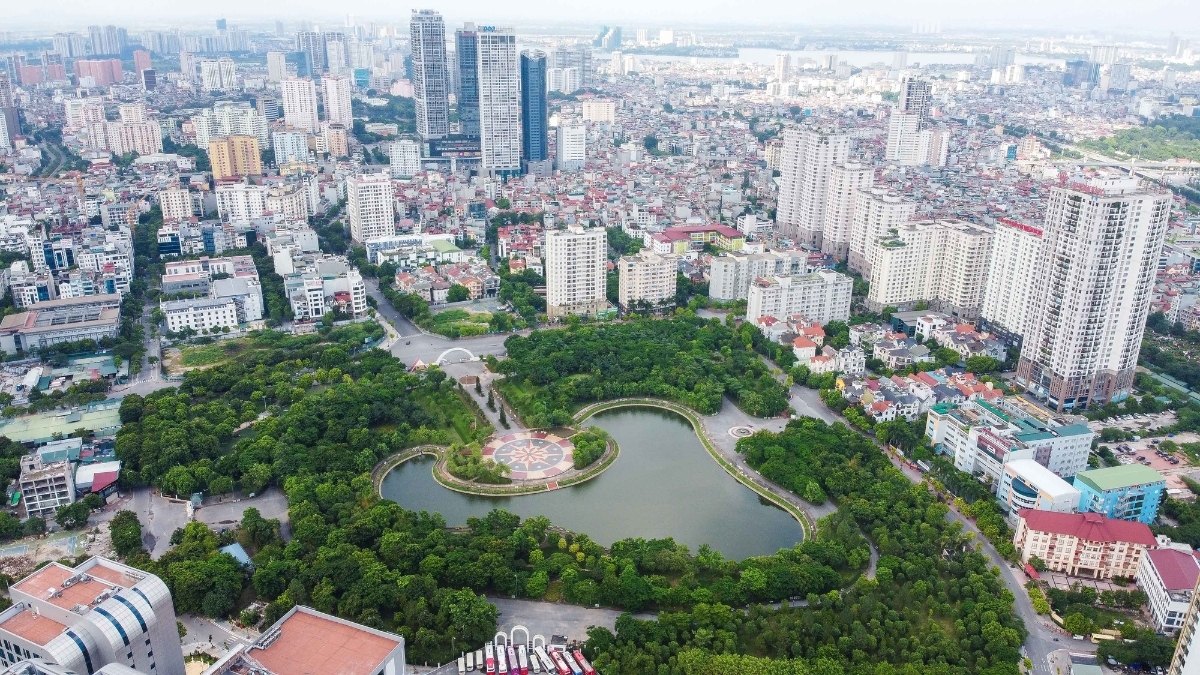
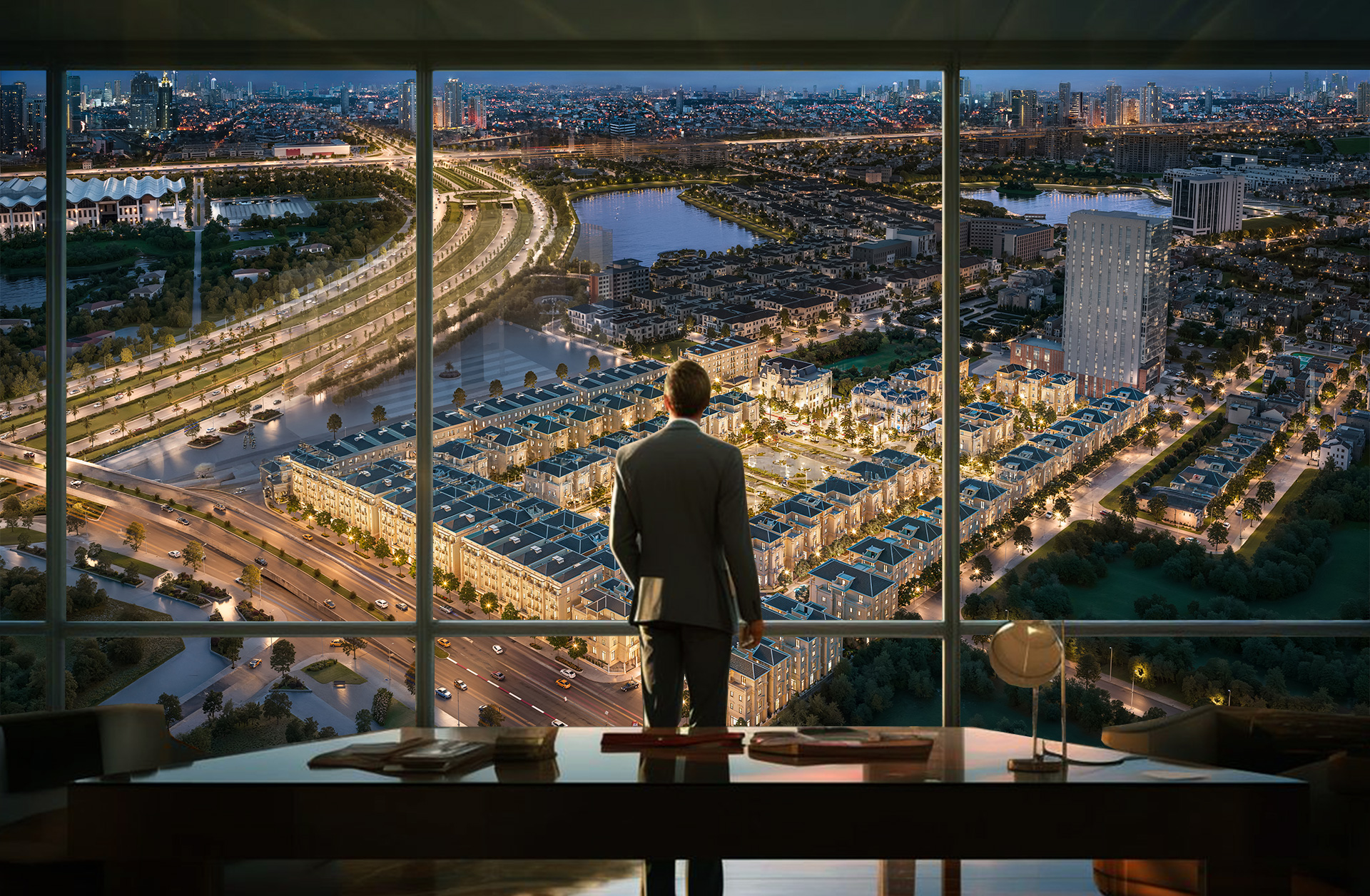
Illustration image
At a press conference held by the Hanoi People’s Committee on April 6, Nguyễn Trọng Kỳ Anh, Director of the Hanoi Department of Planning and Architecture, revealed that the capital’s latest master plan has been developed around the guiding philosophy of “Civilisation – Culture – Modernity,” with a 100-year vision leading toward the 1,100th anniversary of Thăng Long – Hanoi.
What sets this master plan apart is its positioning of Hanoi not only as the primary growth engine of the Red River Delta, but also as a globally connected metropolis. Beyond addressing long-standing internal challenges such as infrastructure overload and environmental pressure, the city aims to expand its development space through the foundations of the digital economy and green economy.
In terms of spatial structure, Hanoi is embracing a cluster-based, multi-centre urban model. Under this strategy, northern districts such as Đông Anh, Mê Linh and Sóc Sơn; western growth corridors including Hòa Lạc and Xuân Mai; and southern areas like Phú Xuyên are identified as emerging growth poles. These areas are expected to evolve into major hubs for services, science and technology, education, logistics and innovation — serving as strategic drivers for the wider Capital Region while remaining within a unified governance framework.
The master plan also outlines nine major spatial development axes, with the Red River corridor envisioned as the city’s “backbone” — a central convergence point for culture, economy and urban landscape. The balanced development of both riverbanks is expected to create a modern metropolitan identity while seamlessly linking newly developed urban areas with Hanoi’s historic core.
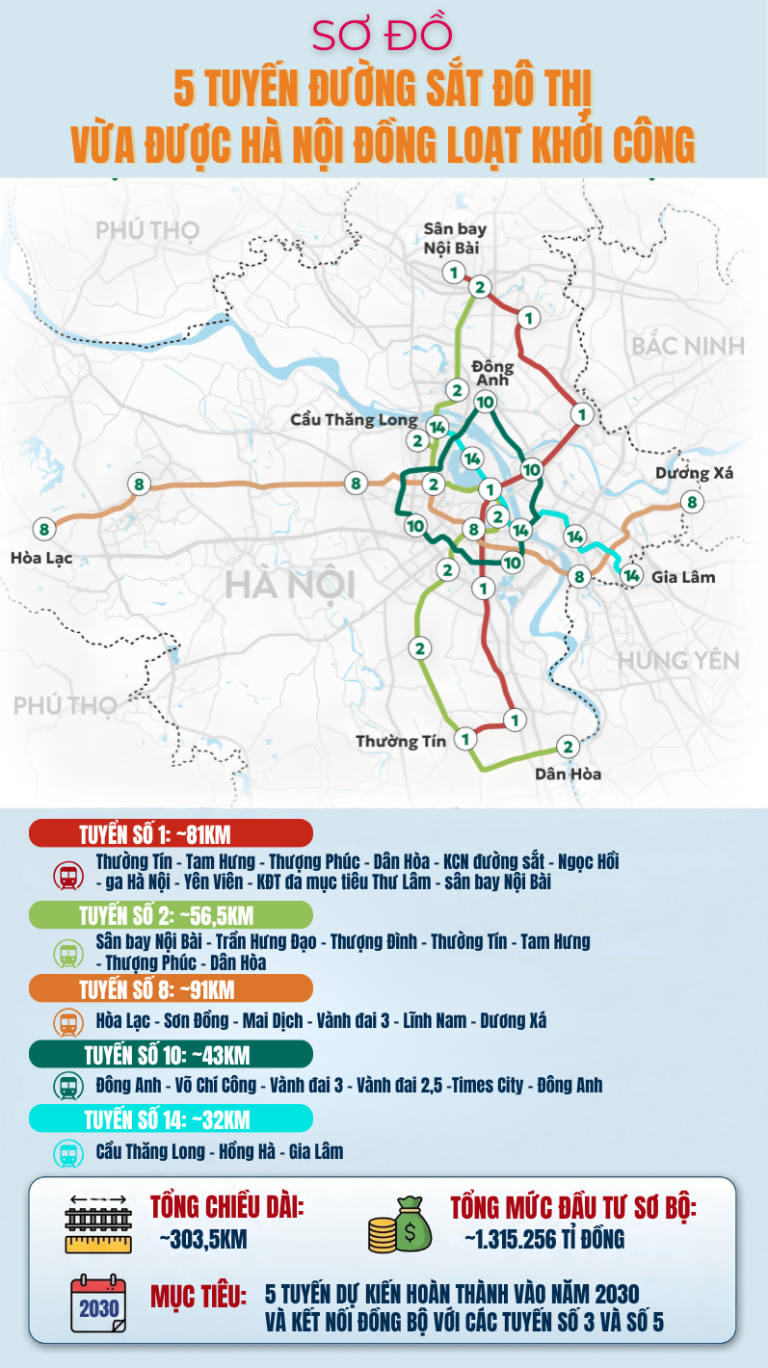
To realise these ambitions, Hanoi plans to mobilise approximately VND 11 quadrillion by 2045, with investment focused heavily on strategic infrastructure, particularly ring roads and urban railway systems. The city’s future metro network is projected to exceed 1,000 kilometres across 16–19 lines, with a target of completing 400–450 kilometres by 2035.
At the same time, the implementation of special mechanisms under the revised Capital Law is expected to provide a crucial legal framework, enabling Hanoi to take a more proactive role in land management, investment attraction and resource mobilisation. Transit-oriented development (TOD) models surrounding metro stations will also be accelerated to reshape urban growth patterns.
According to forecasts, Hanoi’s population could reach approximately 17–19 million by 2065, with development strategies designed to maintain a balance between economic expansion and social welfare.
Addressing concerns over increasing construction density and mounting pressure on infrastructure as planning adjustments move forward, Director Nguyễn Trọng Kỳ Anh emphasised that these issues have been carefully studied. While urban expansion naturally raises concerns about congestion and population pressure, the city has identified five core solution groups to ensure sustainable growth and planning discipline.
First, Hanoi will regulate population distribution through a multi-polar, multi-centre development model. Redistributing residents alongside employment opportunities and livelihoods is expected to ease pressure on the historic urban core while creating new momentum for emerging areas.
Second, the city will maintain strict population control thresholds. The plan targets a population of 14–15 million by 2035, approximately 16 million by 2045, and no more than 20 million by 2065 — benchmarks designed to ensure infrastructure capacity keeps pace with development demand.
Third, Hanoi will prioritise infrastructure-led growth, particularly public transportation. The large-scale urban railway network will form the foundation for TOD implementation and support the restructuring of urban space.
Fourth, urban space will be managed through a multi-layered approach. The city plans to expand vertically and underground while simultaneously reducing construction density and increasing green areas, water surfaces and public spaces. Heritage zones and waterfront areas will remain under strict management to preserve long-term sustainability.
Fifth, Hanoi will strengthen urban governance through digital technology. The city aims to develop an integrated big-data system and apply real-time monitoring technologies to overcome current data limitations and improve management efficiency.
“The synchronised implementation of these five strategic solutions will help Hanoi effectively manage infrastructure pressure while ensuring that the master plan is carried out in line with its long-term vision,” the Director of the Hanoi Department of Planning and Architecture affirmed.
Source: vneconomy



 0853 58 79 79
