


According to Ms. Do Thi Thu Hang, Senior Director of Research & Consultancy at Savills Hanoi, areas such as Dong Anh and West Hanoi are emerging as highly promising destinations in the near term, thanks to their direct connectivity to ring roads and major radial transport corridors. Meanwhile, medium-term growth prospects are gradually expanding toward the southern part of the capital.
Discussing the outlook for Hanoi’s real estate market in 2026, industry experts share the view that infrastructure development will remain the key force shaping the market.
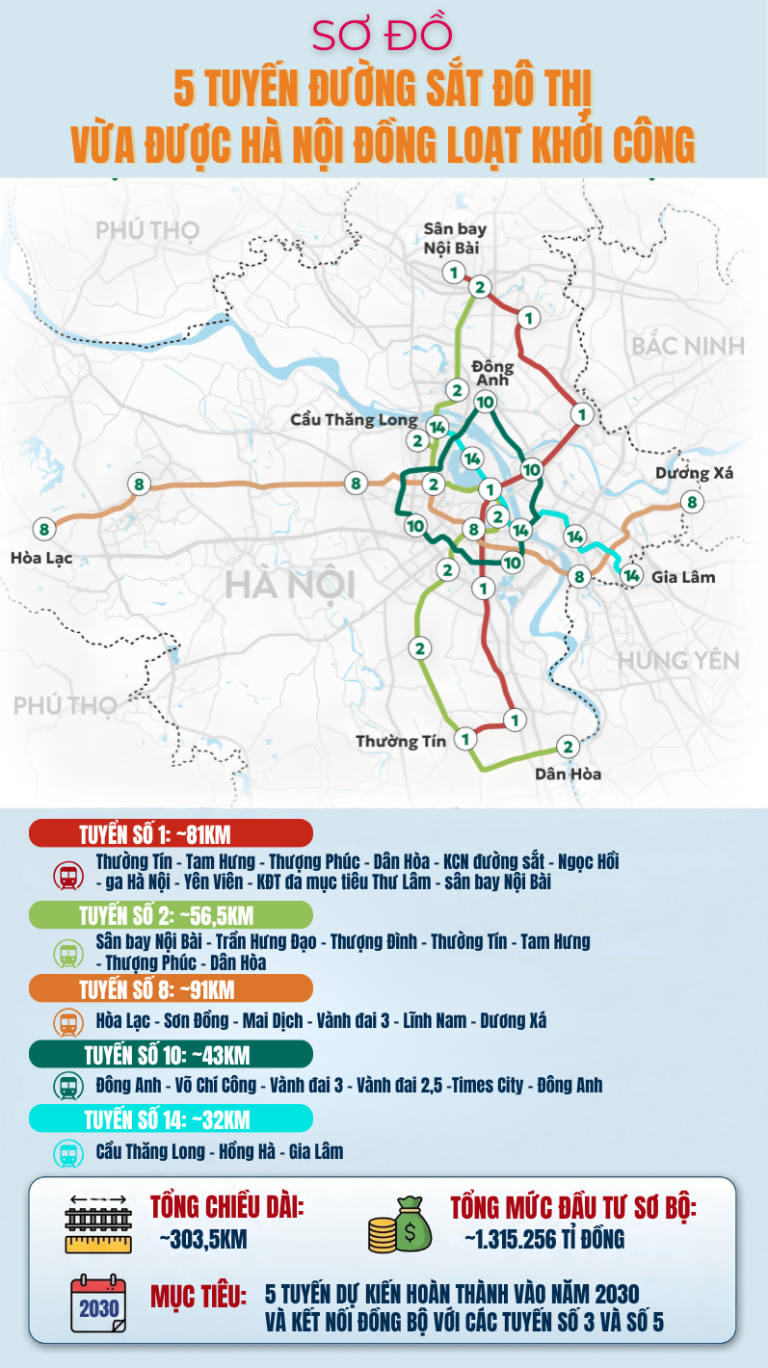
Ms. Hang emphasized that the rapid acceleration of major infrastructure projects is expected to become the most significant driver of Hanoi’s property market in the years ahead. In particular, the groundbreaking and fast-tracked development of new bridges, together with the completion of ring roads and metro lines such as Line 2 and Line 5, will play a pivotal role in expanding the city’s urban footprint, improving connectivity, and increasing future housing supply.
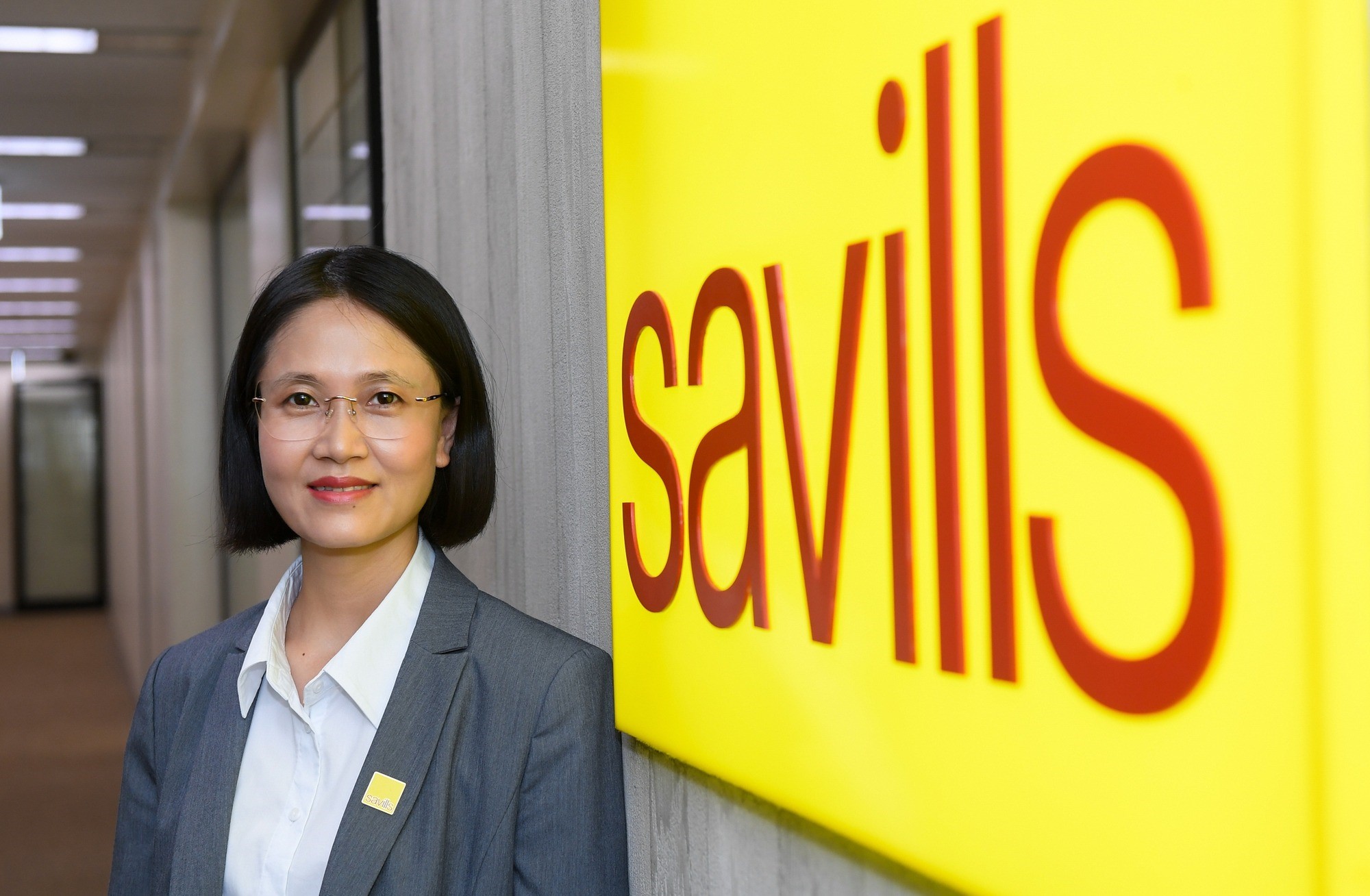
Ms. Do Thi Thu Hang, Senior Director, Research and Consulting Department, Savills Hanoi
Notably, key ring road projects including Ring Road 1, Ring Road 2.5, Ring Road 3.5, and especially Ring Road 4 are now moving forward with clearer momentum and more defined progress compared to previous years. Recent developments show visible improvements in compensation procedures, site clearance, and infrastructure execution — laying an important foundation for the future growth of Hanoi’s housing market.
Driven by this infrastructure momentum, Hanoi’s residential real estate market is expected to witness increasingly distinct regional differentiation. According to Ms. Do Thi Thu Hang, areas where infrastructure connectivity is realized earlier will naturally hold stronger growth potential.
“Districts such as Dong Anh and West Hanoi are emerging as highly promising destinations in the near term, benefiting directly from ring road developments and major radial transport corridors, while medium-term growth prospects are gradually extending toward the southern part of the city.”
Ms. Do Thi Thu Hang, Senior Director, Research and Consulting Department, Savills Hanoi
Beyond infrastructure, the growth potential of each area will also depend on the readiness of future supply. Districts where developers have completed legal procedures, finalized investment preparations, and are able to launch projects early will hold a distinct advantage in attracting both genuine homebuyers and investment demand.
Should more reasonably priced products enter the market, Hanoi’s housing sector is expected to unlock stronger demand, especially as a growing number of investors are now expanding their search toward neighboring markets such as Hung Yen and Hai Phong, or even further to Da Nang and several southern provinces.
Mr. Tran Quang Trung, Director of Business Development at OneHousing, believes that Eastern Hanoi will continue to attract major capital flows in 2026.
According to Mr. Trung, the appeal of East Hanoi is driven by several long-term fundamentals. First is its favorable natural setting, open living environment, and strategic position between the Red River and Duong River. More importantly, the area is entering a period of major infrastructure acceleration from 2025 to 2030.
A series of key infrastructure developments — including new bridges, Ring Road 4, the Hanoi–Pho Hien connector, Gia Binh Airport, and large-scale sports complexes — are creating powerful momentum for the area’s long-term growth outlook.
“In a context where inner-city property prices have moved far beyond the affordability of the majority, East Hanoi is emerging as a rational and increasingly inevitable destination for investment capital.”
Mr. Tran Quang Trung, Director of Business Development at OneHousing
According to Mr. Tran Quang Trung, the demand driving East Hanoi is no longer coming solely from Hanoi residents. Population inflows from neighboring industrial provinces such as Hung Yen, Bac Giang, Hai Phong, and Quang Ninh are also accelerating toward the area, creating a solid foundation for sustained housing demand growth.
Meanwhile, Mr. Vo Huynh Tuan Kiet, Director of Residential Market at CBRE Vietnam, emphasized that Vietnam’s real estate market in 2026 is expected to continue evolving along the major trends that have already become increasingly evident in recent years. Infrastructure, he noted, remains the defining catalyst shaping both project development strategies and investment trends in the coming period — particularly along ring road corridors and urban railway networks that are currently being fast-tracked across major cities.
Source: cafef.vn





 0853 58 79 79
