

(Chinhphu.vn) – Once regarded as a gateway district with vast untapped potential, West Hanoi is steadily transforming into one of the capital’s most dynamic new growth centers. This evolution reflects Hanoi’s long-term multi-centric urban planning vision, where quality of life, integrated infrastructure, and sustainable development are placed at the heart of future expansion.
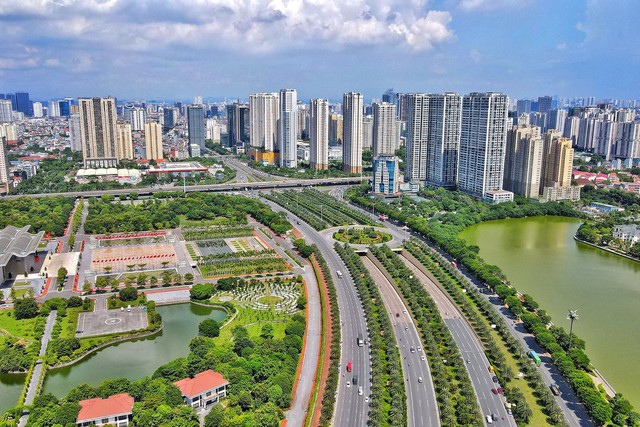
The western corridor of Hanoi is rapidly emerging as a focal point for urban expansion, driven by the vision of developing a network of satellite cities surrounding the capital.
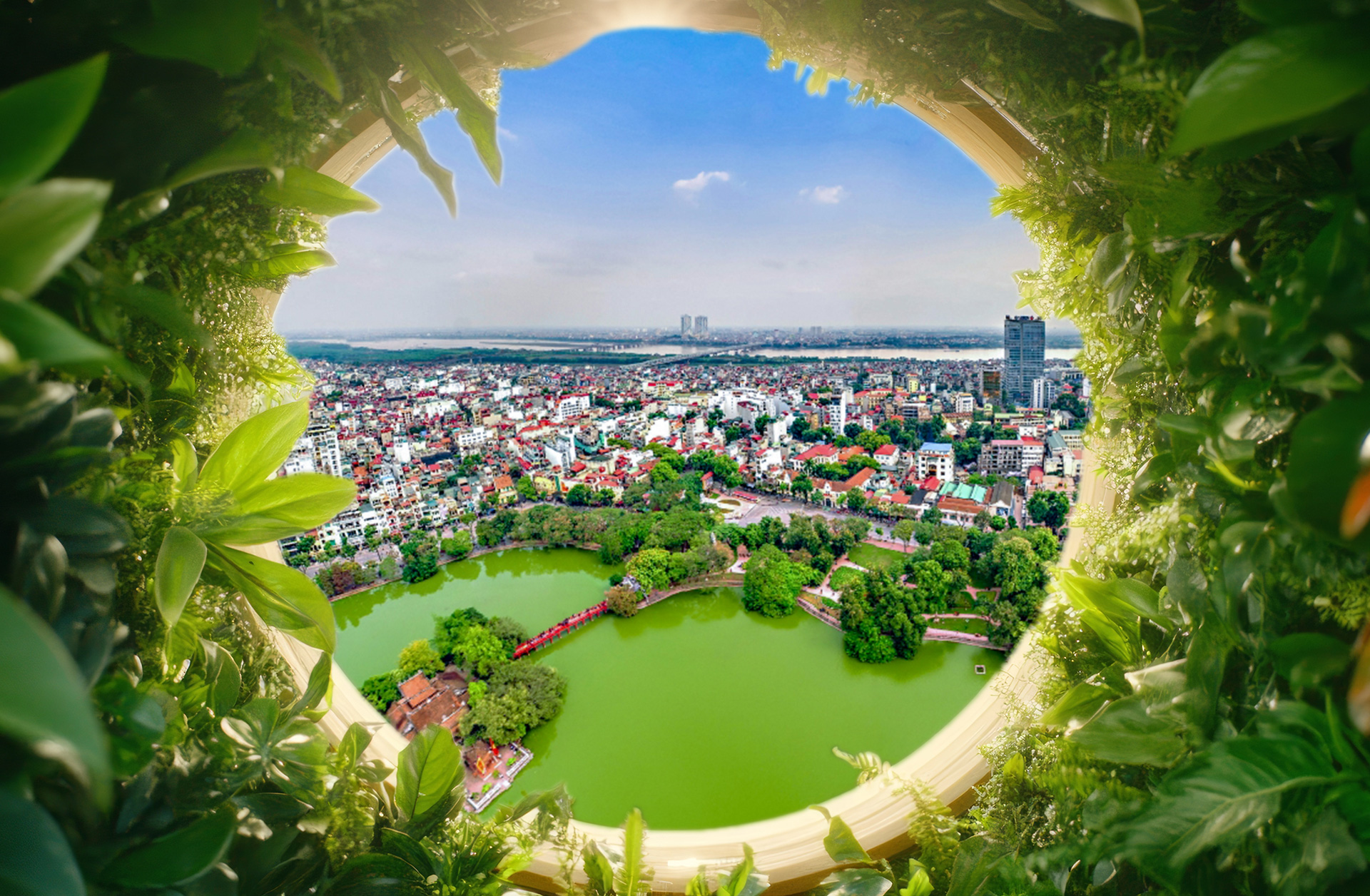
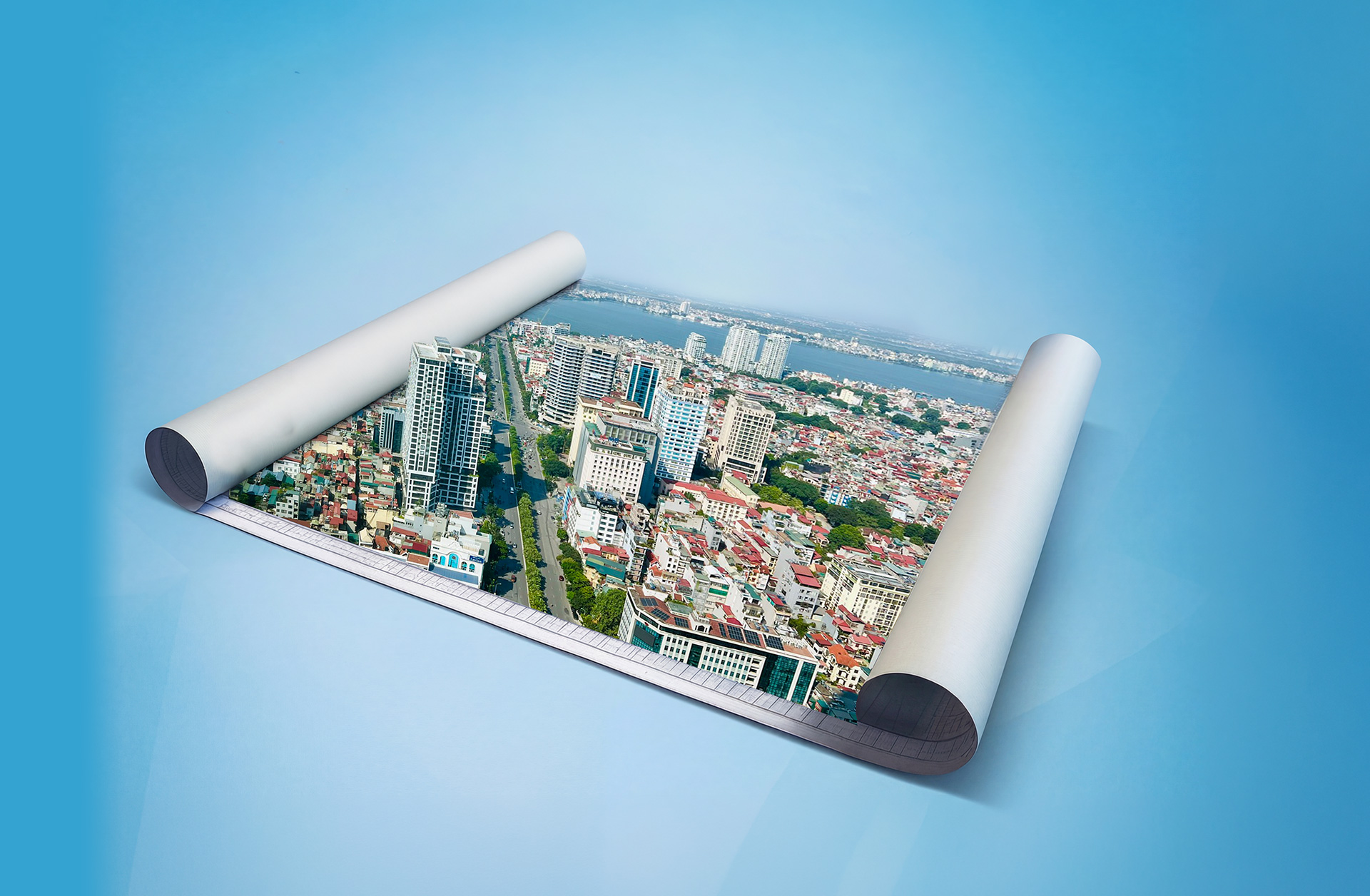
Illustrative image.
Hanoi is entering a new phase of urban development shaped by a multi-centric model aimed at easing pressure on the historic inner core while creating a more sustainable and balanced urban landscape. Within this broader vision, West Hanoi has increasingly established itself as a key growth pole — evolving beyond its traditional role as a gateway district to become one of the capital’s most promising new urban centers. This transformation has not happened overnight. Rather, it is the result of a long-term planning strategy, the sustained commitment of developers, and coordinated investment in infrastructure, living environments, and urban amenities. Together, these factors are gradually redefining the western corridor as a strategic destination for modern urban growth in Hanoi.
From the Capital’s Gateway to a New Growth Pole
Nearly two decades ago, West Hanoi was still largely perceived as a peripheral area — rich in land resources yet limited in infrastructure, with few large-scale residential communities taking shape. However, following the expansion of Hanoi’s administrative boundaries and the city’s westward urban development strategy, the area has gradually undergone a remarkable transformation.
One of the defining milestones in this journey was the emergence of large-scale integrated townships, among which Duong Noi Urban Area is widely regarded as a pioneering development that laid the foundation for West Hanoi’s urban evolution. Launched in 2008, the project not only reshaped the landscape of the surrounding area, but also introduced a more strategic and sustainable approach to urban development — one driven by long-term planning and comprehensive investment, rather than fragmented, short-term expansion.
According to industry experts, it is precisely this long-term vision and strategic consistency that have enabled Duong Noi and many other western urban developments to gradually establish stable residential communities, creating enduring appeal for the entire region. As transportation infrastructure continues to improve and connectivity with Hanoi’s city center becomes increasingly seamless, West Hanoi has rapidly emerged as a preferred destination for major developments — further solidifying its role as one of the capital’s most important new growth centers.
Integrated Urban Planning – The Foundation for Sustainable Growth
One of the defining distinctions of West Hanoi’s urbanization, compared to many other emerging areas, lies in its integrated and long-term planning approach. Rather than prioritizing maximum construction density, many developments in the area have adopted a more balanced allocation of land for green spaces, social infrastructure, and public amenities.
Sharing his perspective on this transformation, architect Pham Thanh Tung — a long-time researcher and observer of Hanoi’s urban planning — noted that the persistence of developers in carrying out projects over nearly two decades reflects a remarkably clear strategic vision. According to him, what was once considered an almost “empty zone” in the early days of Duong Noi has now evolved into a vibrant urban community, with a steadily growing and increasingly established residential population.
This comprehensive planning approach has also helped West Hanoi avoid many of the consequences commonly associated with rapid urban expansion, such as infrastructure overload, the shortage of public spaces, and declining quality of life. As a result, the western urban corridor is not only expanding in scale, but also strengthening its long-term livability and sustainable value.
Quality of Life as the Core Pillar of Urban Development
Beyond transportation and technical infrastructure, quality of life is increasingly becoming a defining pillar in the development of West Hanoi’s urban landscape. Many projects across the area are now focusing on building integrated living ecosystems — spaces where architecture and nature coexist harmoniously to meet the evolving expectations of modern urban residents.
Low-rise residential zones and villa communities are being planned with carefully controlled construction density, allowing a significant portion of land to be dedicated to greenery, water features, and shared community spaces. In this approach, a home is no longer viewed merely as a place to live, but as part of a broader lifestyle experience — one that offers privacy, convenience, and a healthier living environment within the urban setting itself.
According to industry experts, this trend reflects a clear shift in homebuyer priorities, particularly among middle- and upper-income customers. Rather than focusing solely on location or pricing, buyers today are placing greater value on living quality, community connectivity, and the long-term sustainability of the environment surrounding them.
A Multi-Centric Vision and the Strategic Rise of Western Hanoi’s Urban Real Estate
Within Hanoi’s long-term development strategy, the multi-centric urban model has been identified as an inevitable direction — one that eases pressure on the historic inner core while creating new growth momentum across emerging urban zones. With its vast land reserves, rapidly improving infrastructure, and the presence of large-scale urban developments, Western Hanoi is increasingly expected to evolve into a future hub for administration, commerce, and high-value services.
According to architect Phạm Thanh Tùng, Western Hanoi is not merely being developed to accommodate a particular residential segment; it is gradually shaping a new benchmark for Hanoi’s urban evolution. The emergence of integrated green townships with comprehensive amenities reflects a development approach aligned with sustainability goals and increasingly comparable to modern urban models around the world.
Despite its impressive progress, the urban expansion of Western Hanoi still faces significant challenges. Rapid population growth continues to place mounting pressure on transportation infrastructure, particularly inter-regional connectivity corridors, which will require synchronized and long-term investment to avoid future congestion.
At the same time, balancing different housing segments remains a critical issue. Urban planning strategies must be carefully calibrated to ensure harmonious growth while maintaining housing accessibility for a broader range of residents.
Even so, backed by well-structured planning, a long-term strategic vision, and the participation of major developers, Western Hanoi is still regarded as a region with substantial untapped potential. Within the broader picture of a multi-centered capital city, this area is steadily affirming its role as a new growth engine — contributing to a more modern, sustainable, and future-ready urban identity for Hanoi in the decades ahead.
Source: thanglong.chinhphu.vn


 0853 58 79 79
