

As Hanoi continues to complete its ring roads and expand its transport network, the western part of the capital is opening up new frontiers for urban development. Against this backdrop, low-rise residential developments face a new set of expectations, with connectivity, integrated planning, and the quality of the living environment becoming increasingly important considerations.
Infrastructure Reshaping the Urban Landscape of Western Hanoi
Hanoi’s urbanization is progressing alongside the emergence of new functional hubs beyond the traditional city core. Within this evolving urban structure, western Hanoi has become a major concentration of administrative institutions, convention facilities, educational establishments, commercial centers, and service amenities.
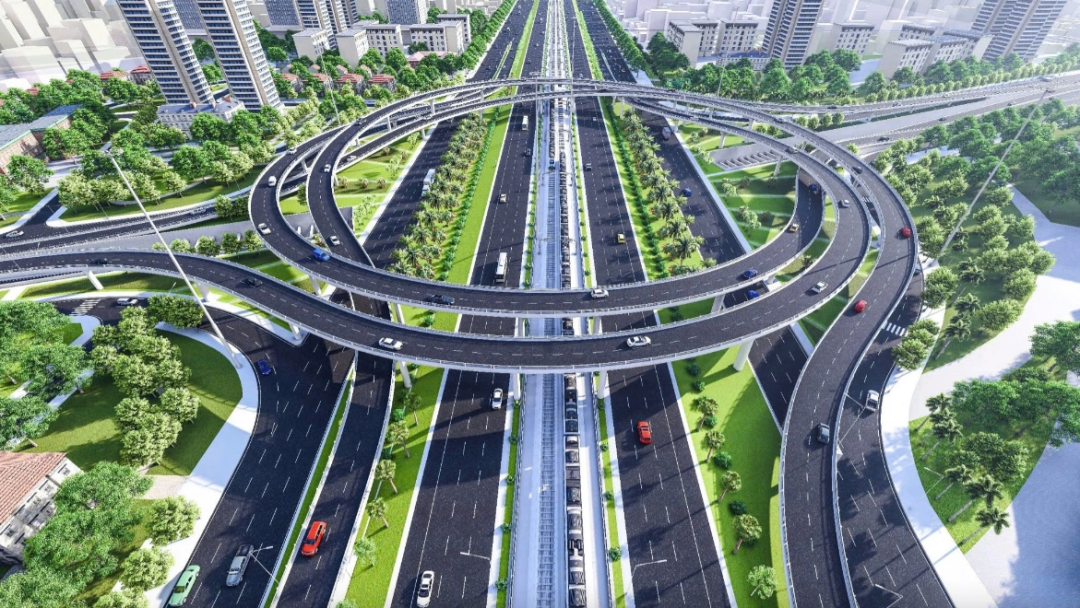
Transport infrastructure continues to play a pivotal role in connecting established urban districts with newly developing areas.
This is also one of the key factors driving the westward expansion of Hanoi’s residential landscape.
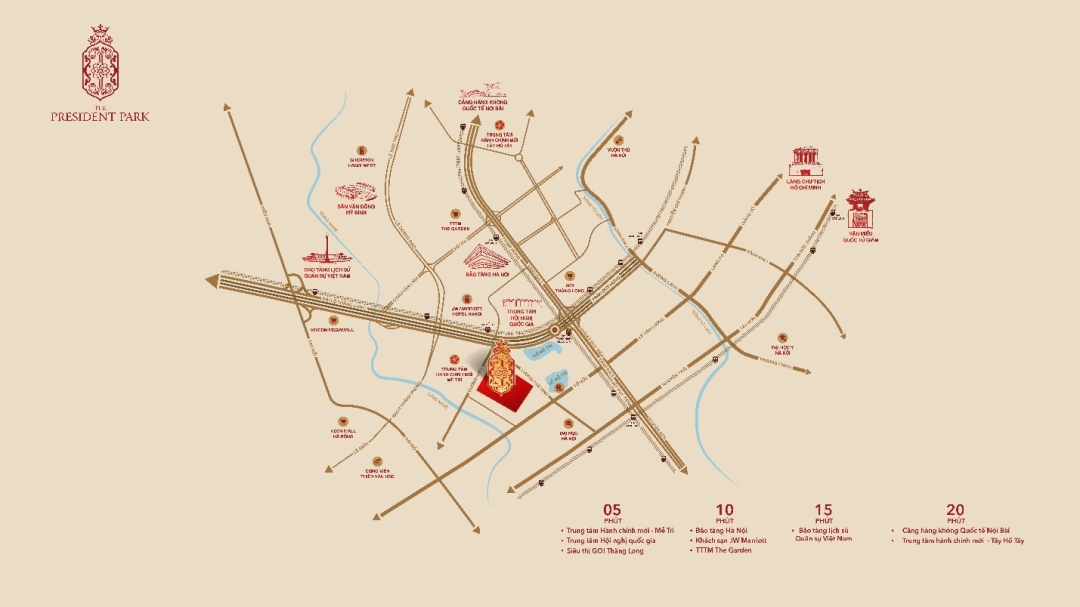
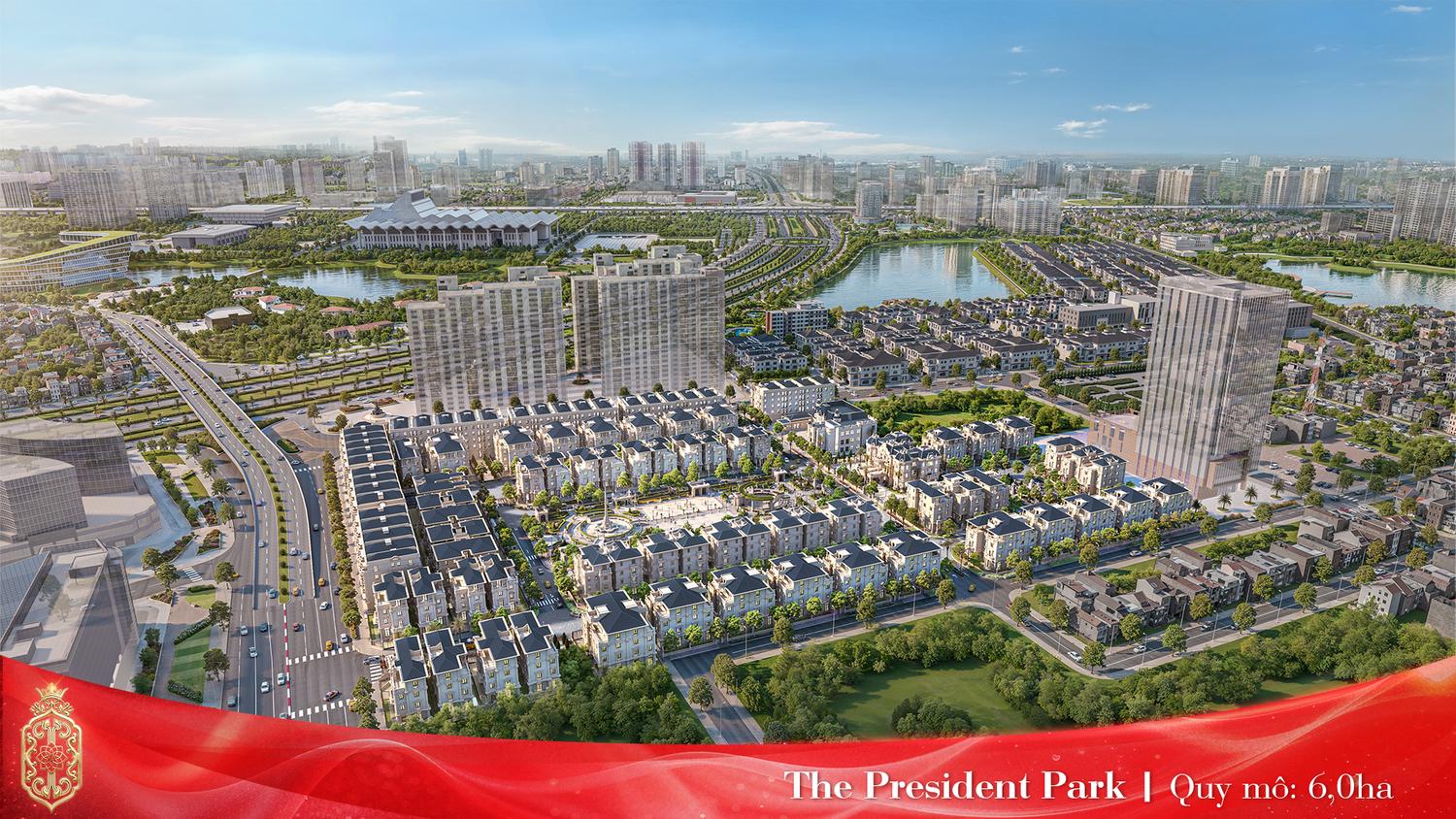
The President Park within the connectivity network of western Hanoi.
From Transport Connectivity to the Pursuit of a Better Living Environment
Infrastructure can expand accessibility, but the quality of a residential community depends far more on how its internal spaces are conceived and organized.
For low-rise residential developments, this distinction is particularly important, as the value of a property extends beyond its floor area or architectural appearance. It is the relationship between homes, landscaping, shared spaces, amenities, and privacy that ultimately determines how a residential community functions in everyday life.
In rapidly urbanizing areas, land available for comprehensively planned low-rise developments is becoming increasingly scarce. This places greater emphasis on the efficient use of land while maintaining a careful balance between building density and the quality of the living environment.

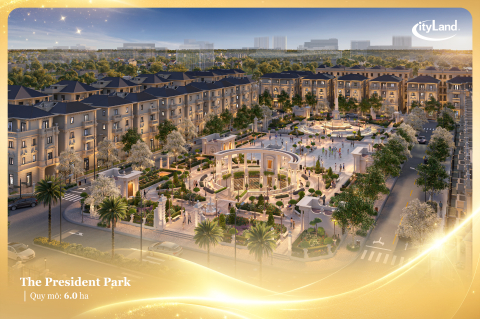
An artist’s impression of The President Park upon completion.
The President Park is one of the low-rise residential developments taking shape within this broader context.
Developed by CityLand Group in Dai Mo Ward, Hanoi, the approximately six-hectare project comprises detached villas, semi-detached villas, and townhouses. Drawing on more than 23 years of development experience, CityLand brings its accumulated expertise in master planning, architecture, landscaping, and the organization of living spaces to a project that marks the beginning of a new chapter in Hanoi.
From the development, residents will be able to access the National Convention Center, the Hanoi Museum, nearby administrative institutions, and established educational, commercial, and service facilities. These connections are further reinforced by the expanding transport network being developed across western Hanoi.
Balancing Connectivity with Privacy
While external infrastructure determines how readily residents can access the wider city, the challenge within the development itself is to preserve a living environment that offers a genuine sense of privacy.
The President Park is envisioned as an enclave of low-rise residences, where homes, landscaped grounds, pedestrian walkways, and communal spaces are thoughtfully integrated into a cohesive whole. This approach underpins the development’s guiding philosophy: “Close enough to connect, private enough to call your own.”
In this context, being “close enough” means more than geographical proximity. It reflects the convenience of reaching the destinations that support everyday life. Being “private enough,” meanwhile, speaks to a quieter living environment that allows greater room for personal pursuits and family life.
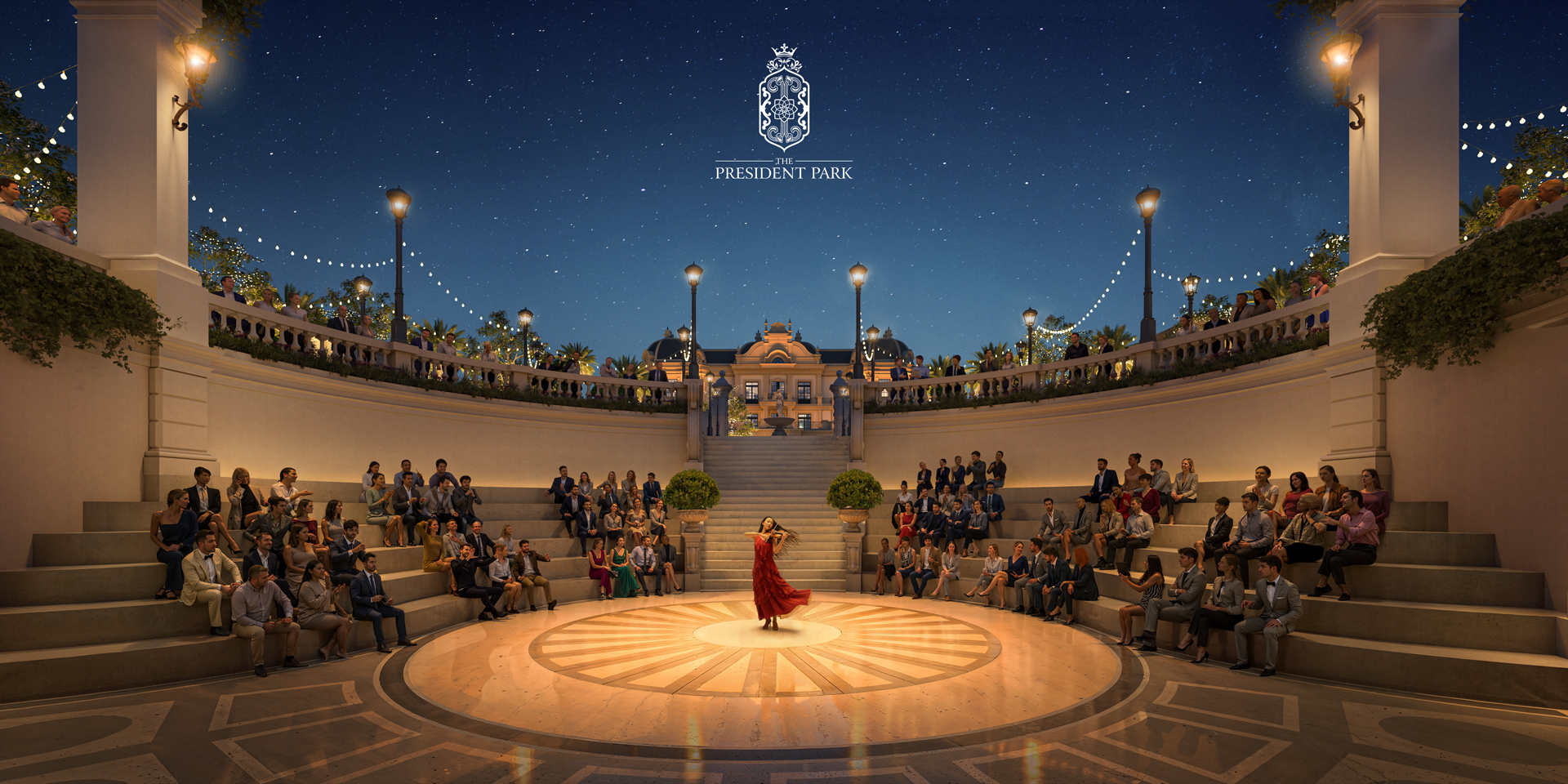
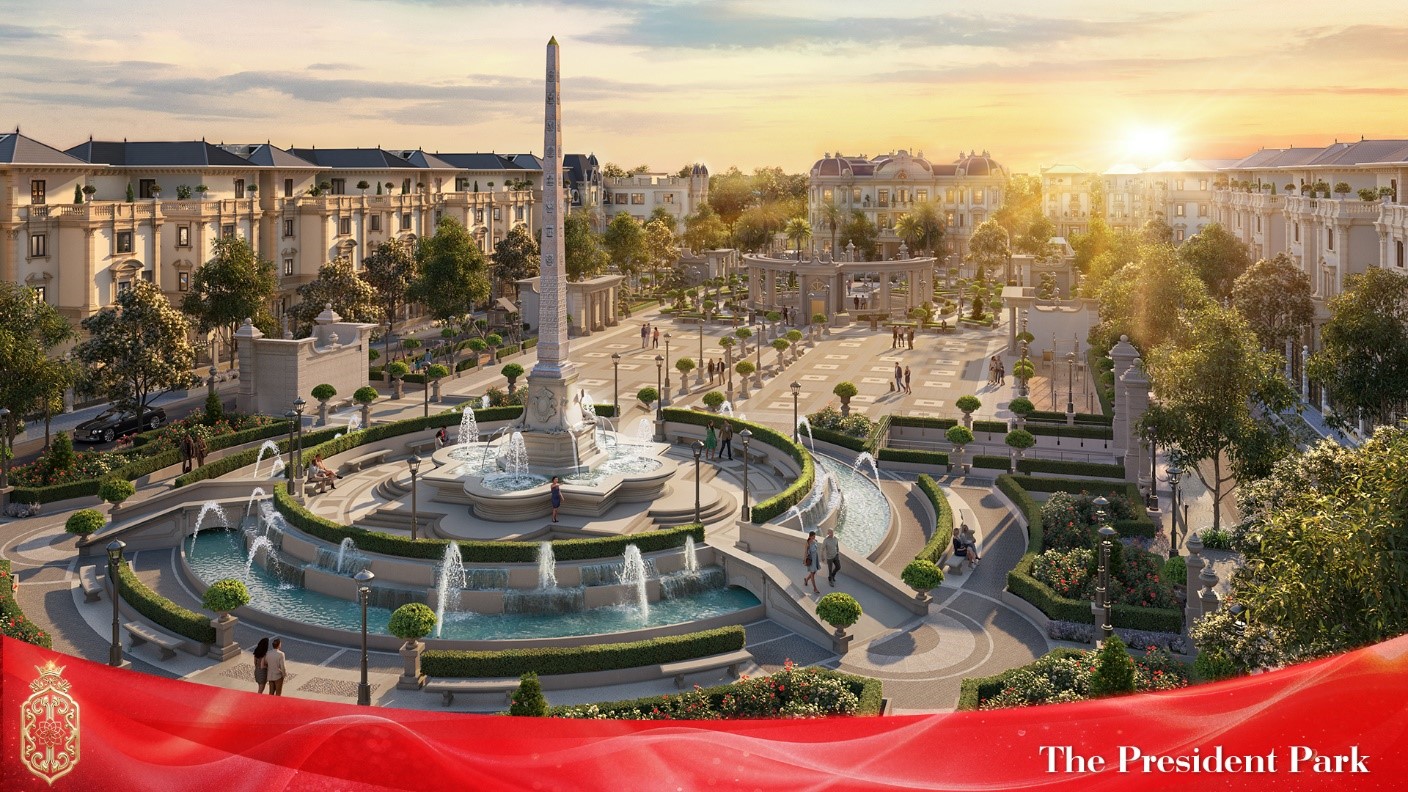
Alongside its low-rise residential offerings, the development incorporates a comprehensive landscape and amenity system, including a plaza, gardens, a clubhouse, a kindergarten, pedestrian promenades, and dedicated communal areas. Interspersed among the residences, these spaces are designed to create a considered transition between private living and shared community activities.

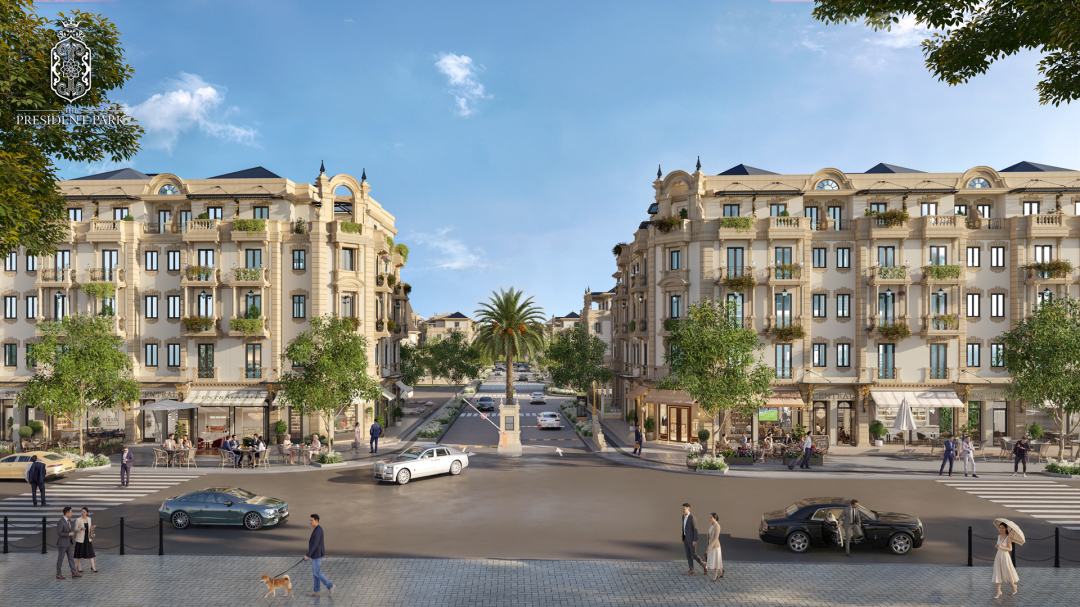
An artist’s impression of an amenity space at The President Park.
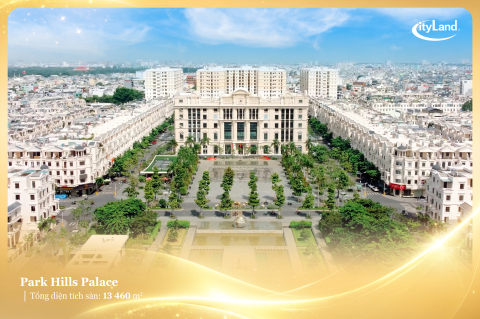
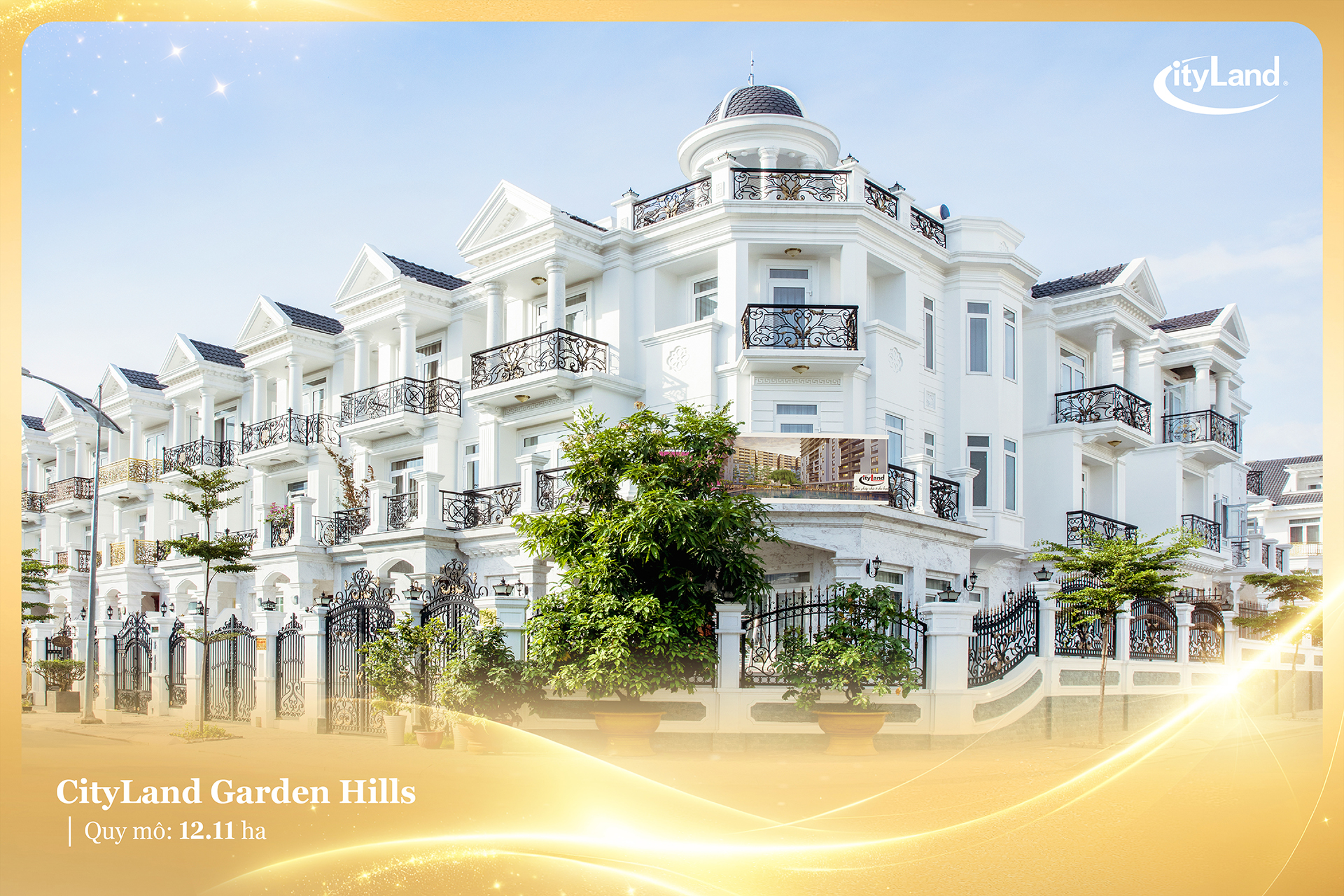
Architecturally, The President Park continues the European neoclassical design language featured in several of CityLand’s previous developments. In Hanoi, however, architecture is conceived in relation to the surrounding landscape and practical functionality, rather than serving merely as a visual statement of identity.
As Hanoi continues to expand its urban footprint, transport infrastructure will remain essential to connecting its emerging urban hubs. Yet at the level of an individual residential development, it is the quality of master planning and the ability to create a distinctive living environment that ultimately determine its long-term value and everyday livability.
Viewed within this broader transformation, The President Park is more than a low-rise residential development in western Hanoi. It represents a tangible expression of CityLand’s approach to entering a new market: building on its accumulated experience while positioning the development within the wider context of urban planning, infrastructure, and the evolving lifestyle needs of the city.
From external connectivity to internal landscaping, privacy, and family life, the development marks the beginning of CityLand’s long-term vision for growth in the capital.
Source: baoxaydung.vn

 0853 58 79 79
