

As Hanoi Gradually Transitions Towards a Polycentric Urban Structure, Residential Priorities Are Evolving: Beyond Proximity to a Single City Center, Homebuyers Are Increasingly Looking at Connectivity Across Multiple Functional Hubs, the Quality of the Living Environment, and the Degree of Privacy. This shift is creating new opportunities for low-rise residential living in the western part of the capital.
Hanoi is gradually developing new functional hubs interconnected by a network of ring roads, urban railways, and interregional transport corridors.
As employment, commerce, education, administrative institutions, and services become increasingly distributed across multiple locations rather than concentrated in a single center, the concept of being “close to the center” is becoming more relative. Instead, access to multiple functional hubs, infrastructure quality, and the surrounding living environment are playing an increasingly important role in residential decision-making.
WESTERN HANOI AND THE GROWING DEMAND FOR LOW-RISE LIVING
WESTERN HANOI AND THE GROWING DEMAND FOR LOW-RISE LIVING
Within this evolving urban structure, western Hanoi has established a distinct concentration of administrative, commercial, convention, educational, and service functions. The National Convention Center, administrative institutions, schools, hotels, shopping centers, and established urban developments are helping the area evolve into a relatively comprehensive urban ecosystem.
At the same time, urbanization is driving greater demand for residential environments with lower building densities, particularly among families who prioritize generous living spaces, landscaped surroundings, and privacy.
For low-rise residential developments, value extends well beyond floor area or architectural design. Their long-term livability also depends on how the development integrates homes with landscaping and shared spaces, while maintaining convenient connections to the wider city.
In highly urbanized areas, the supply of land suitable for comprehensively planned low-rise developments is also becoming increasingly constrained, making it difficult to keep pace with demand. As a result, developments of a moderate scale, situated within areas with established infrastructure and designed around the quality of the living environment, are attracting growing attention.
THE PRESIDENT PARK WITHIN THE EMERGING URBAN LANDSCAPE OF WESTERN HANOI

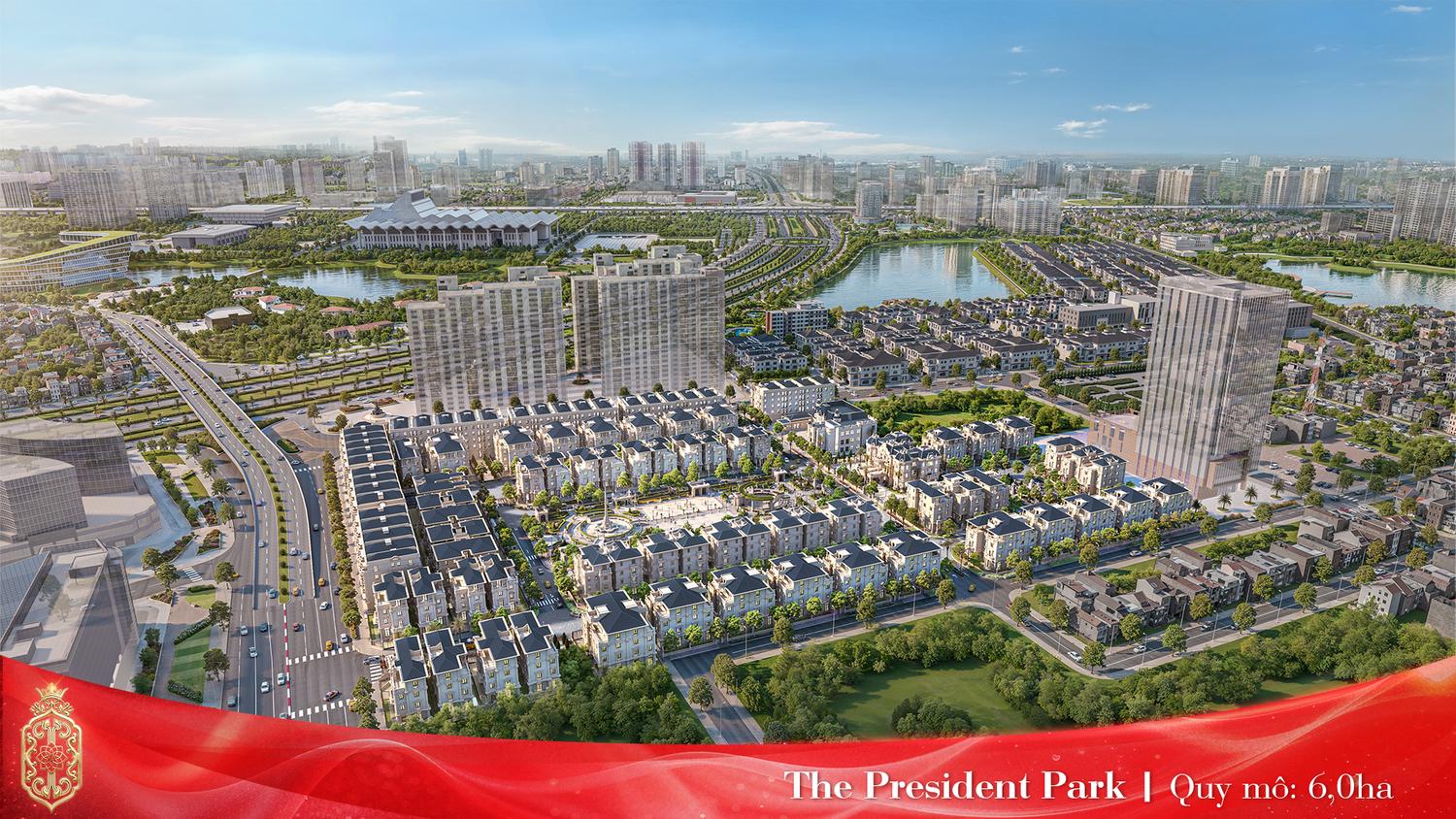
The President Park within the connectivity network of western Hanoi.
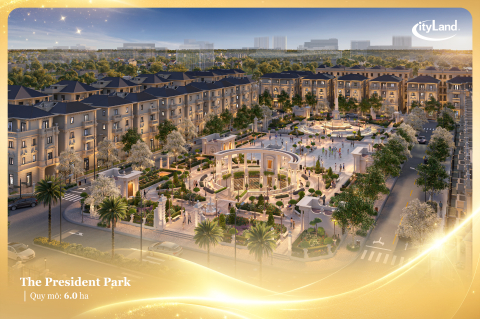
The President Park is a residential development by CityLand Group in Dai Mo Ward, Hanoi. Spanning approximately six hectares, the development comprises detached villas, semi-detached villas, and townhouses. CityLand brings its accumulated expertise in master planning, architecture, landscaping, and the creation of thoughtfully organized living environments to this new chapter in Hanoi.
Against the backdrop of Hanoi’s transition towards a polycentric urban structure, The President Park stands out for its potential to connect residents with the multiple layers of functionality that define western Hanoi.
From the development, residents can access the National Convention Center, the Hanoi Museum, administrative institutions, and established educational, commercial, and service facilities. Over the longer term, this connectivity is set to be further supported by ring-road corridors and the planned urban rail network.
In shaping the development, CityLand places equal emphasis on urban accessibility and the need for privacy. The President Park is envisioned as an exclusive low-rise residential enclave, where homes, internal landscaping, pedestrian pathways, and communal spaces are thoughtfully arranged within a harmonious master-planned environment.
This vision underpins the development’s guiding philosophy: “Close enough to connect, private enough to call your own.”
“Close enough” reflects the ability to reach essential destinations with ease in everyday life, while “private enough” speaks to the desire for a tranquil, private environment suited to family living amid the increasingly vibrant pace of urban life.

An artist’s impression of The President Park upon completion
WHEN QUALITY OF LIFE BECOMES AN INTEGRAL PART OF REAL ESTATE VALUE
The spatial planning approach at The President Park reflects a broader shift away from viewing a home as a standalone product towards a more holistic understanding of the living environment.
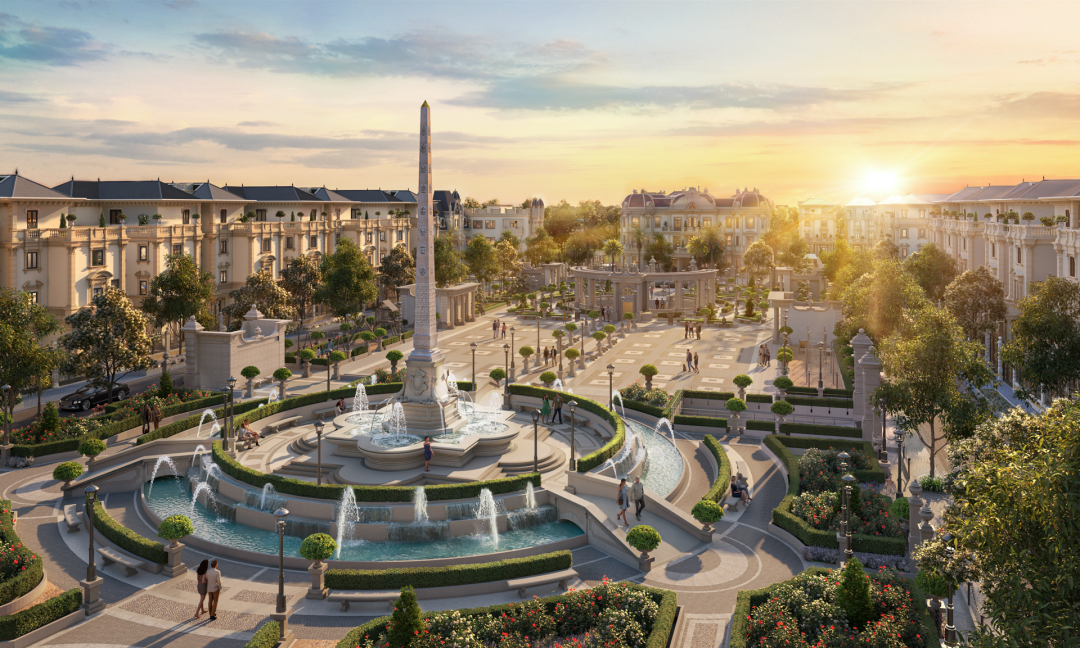
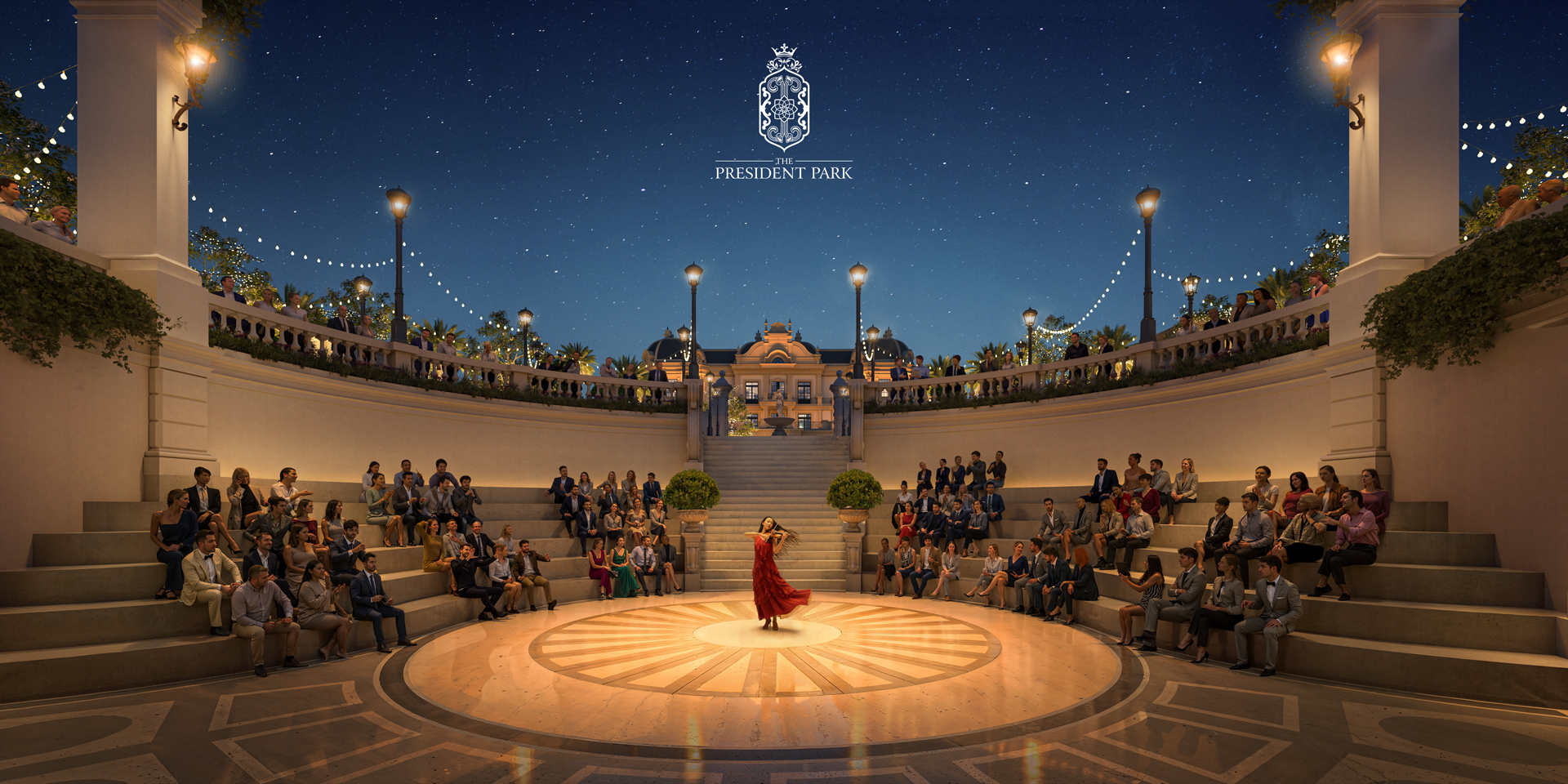
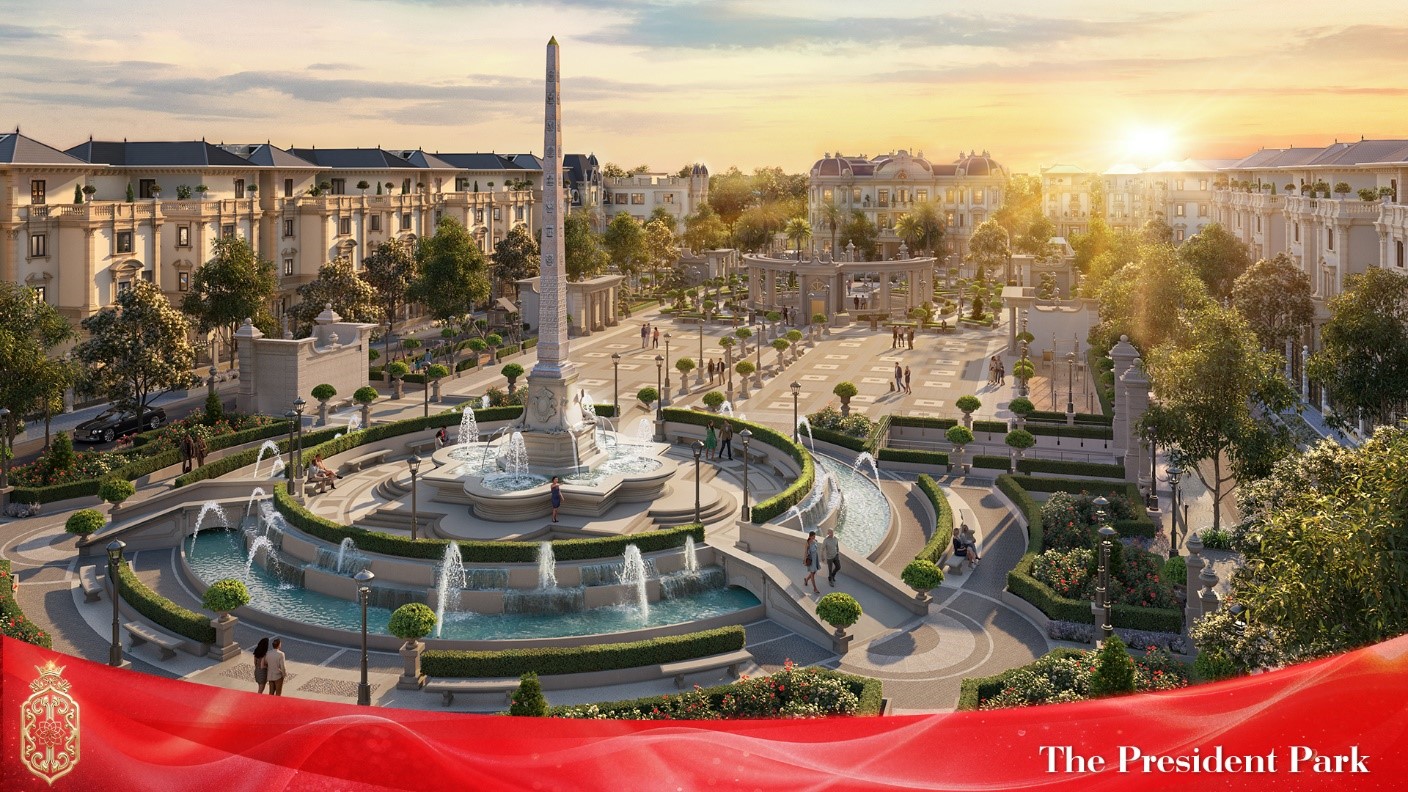
Alongside its low-rise residences, the development incorporates a comprehensive landscape and amenity system, including a plaza, gardens, a clubhouse, a kindergarten, pedestrian walkways, and dedicated spaces for community activities.

An artist’s impression of an amenity space at The President Park.
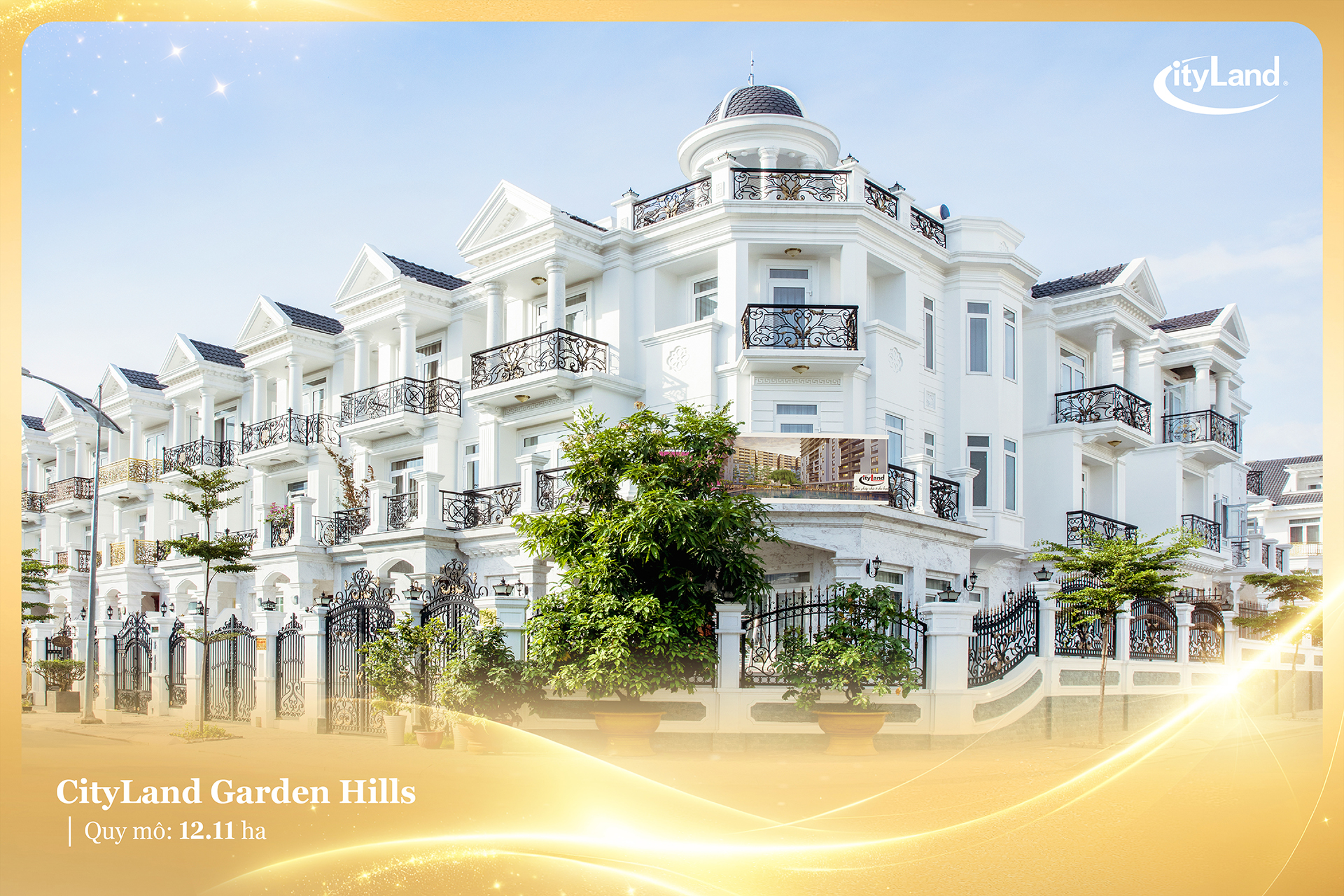
Architecturally, The President Park continues the European neoclassical design language that has become part of the identity of CityLand’s previous developments. In Hanoi, this architectural language is reinterpreted within a new overall composition, where architecture, landscaping, and functional spaces are harmoniously integrated with the urban context of the western capital.
As Hanoi continues to expand towards a polycentric urban structure, low-rise real estate in the western part of the city is increasingly being assessed against more substantive criteria: connectivity, planning quality, and the experience of living over the long term.
Within this context, The President Park represents CityLand’s vision of creating a residential environment that balances urban accessibility with the need for privacy—two values that are becoming increasingly prominent in the residential choices of urban families.
Sales Gallery: Luong The Vinh Street, Dai Mo Ward, Hanoi.
Hotline: 0853 58 79 79
Website: https://thepresidentpark.com.vn/
Source: vneconomy.vn

 0853 58 79 79
